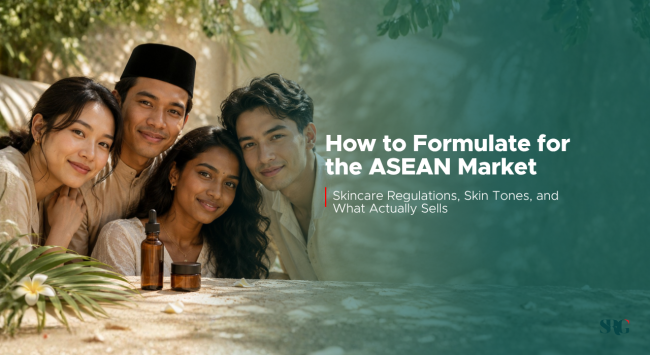

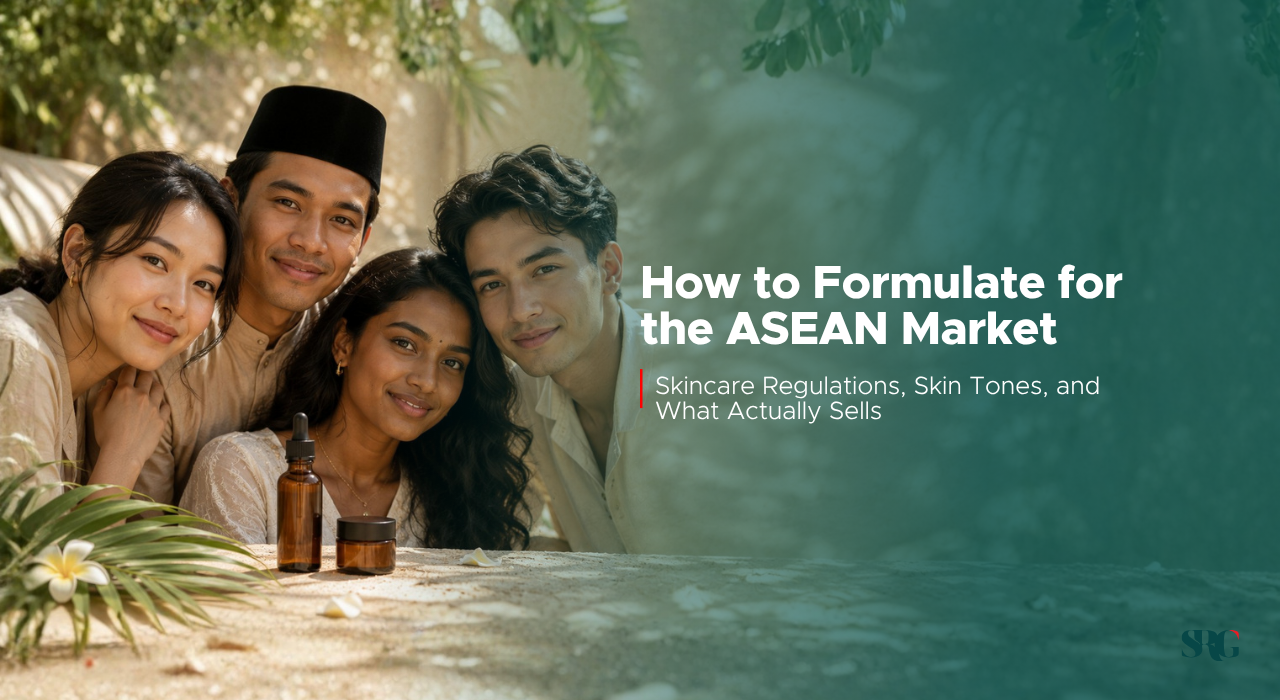
ASEAN is not one market. It is ten countries, 680 million people, wildly different skin concerns, different climates, different regulatory bodies, different consumer cultures — and almost every one of them a growing beauty market.
Brands that treat Southeast Asia as a single homogeneous region make expensive mistakes. Brands that understand the nuances — even at a formulation level — have an enormous head start.
At Sky Resources, we manufacture for brands selling across Malaysia, Indonesia, Singapore, Thailand, Vietnam, the Philippines, and beyond. This guide is built from that real-world experience — what skin types and concerns dominate each market, what regulatory requirements you need to meet, and how to formulate products that genuinely resonate with each consumer base.
Why the ASEAN Beauty Market Is the Most Exciting Opportunity Right Now
Southeast Asia’s beauty and personal care market is projected to grow at a compound annual growth rate of around 5–7% through 2030. The demographic is young, digitally connected, increasingly affluent, and deeply beauty-aware. K-beauty and J-beauty trends have cultivated high skincare sophistication across the region, particularly among the 18–35 age group.
The Halal beauty segment is particularly significant. Malaysia and Indonesia are the two largest Halal beauty markets in the world. Indonesia alone — with over 270 million people, the majority Muslim — represents an enormous opportunity for Halal-certified skincare brands. And Halal beauty demand is not limited to Muslim consumers; in ASEAN, it functions as a broader quality and purity signal.
Skin Tone and Skin Concern Variations Across ASEAN
Formulators who do not account for ASEAN skin diversity will struggle. Here is the honest picture:
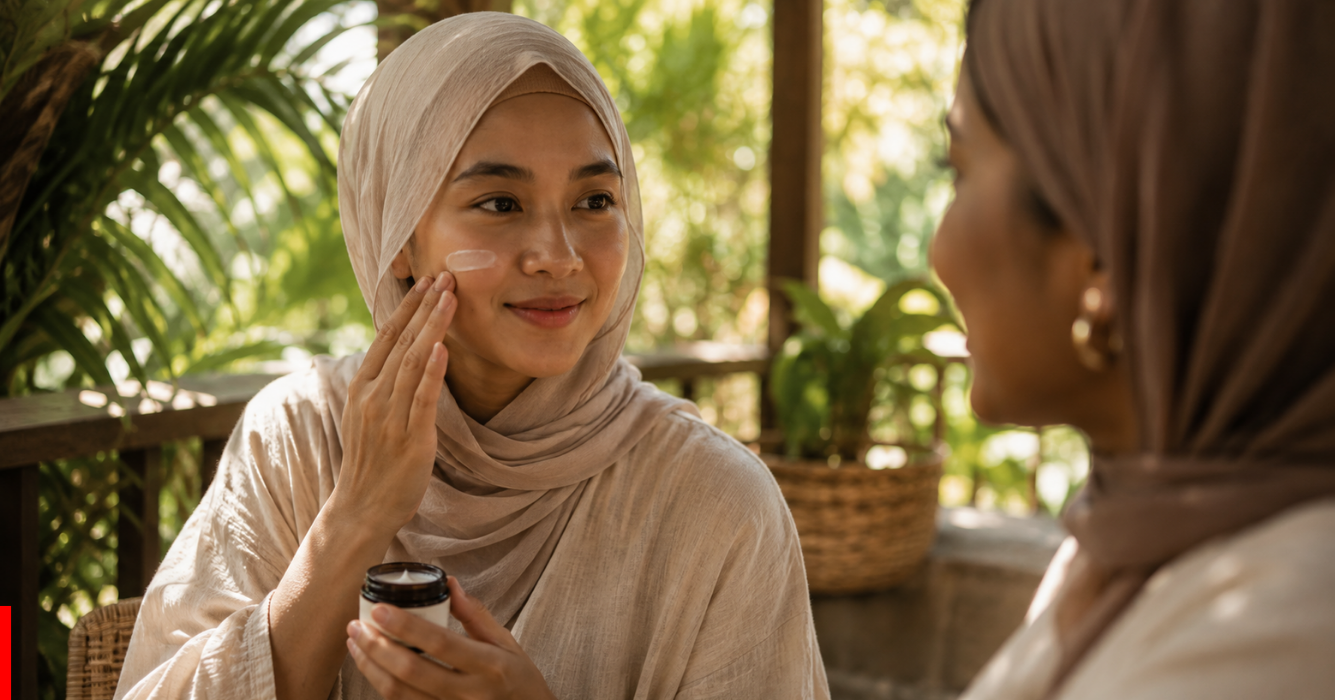
Malaysia and Indonesia: Fitzpatrick skin types III–V predominate. Primary concerns: hyperpigmentation, uneven tone, acne in humid conditions, sun damage. Brightening, SPF, and lightweight non-comedogenic formulas are extremely well-received.
Singapore: Diverse multicultural population; highly educated beauty consumers who research ingredients. Skin concerns: anti-ageing, pore minimisation, pollution protection. Consumers here respond well to ingredient transparency and science-forward positioning.
Thailand: Skin tone fairness is an important cultural aesthetic. Whitening and brightening products have high demand. However, consumer education on active ingredients is growing — brands with clear efficacy stories are gaining ground.
Vietnam: Rapidly growing market with strong influence from Korean beauty. Lightweight hydration, glass-skin effect products perform well. Price sensitivity is higher than Singapore or Malaysia.
Philippines: High humidity, strong sun, and Moreno skin tones create demand for sun protection, brightening, and long-wear cosmetics. Strong social media beauty culture drives trend adoption quickly.
“The best ASEAN skincare formula is not just a Southeast Asian adaptation of a European product. It is designed from the ground up for tropical climates and diverse skin tones.”
Regulatory Overview — What Each Country Requires
Malaysia (NPRA): Cosmetics require NPRA notification via CosmeticReg portal. Halal certification from JAKIM adds significant market credibility. Sky Resources handles all Malaysian regulatory documentation.
Indonesia (BPOM): Product notification or registration with BPOM is mandatory before market entry. Indonesia also has its own Halal certification body (MUI) — separate from JAKIM. Both are required for full market access.
Singapore (HSA): No pre-market notification required for most cosmetics, but products must comply with the Cosmetic Products Regulations under the Health Products Act.
Thailand (FDA-TH): Cosmetics classified into two categories — general and specially controlled. General cosmetics (most skincare) require notification with the Thai FDA. Controlled cosmetics (whitening, anti-ageing claims) require full registration.
Philippines (FDA-PH): Cosmetics require Certificate of Product Notification (CPN) from the Philippine FDA before sale.
Sky Resources has regulatory experience across all these markets and can support your documentation preparation for multi-market launches.
Formulating for Tropical, Humid Climates — What Works
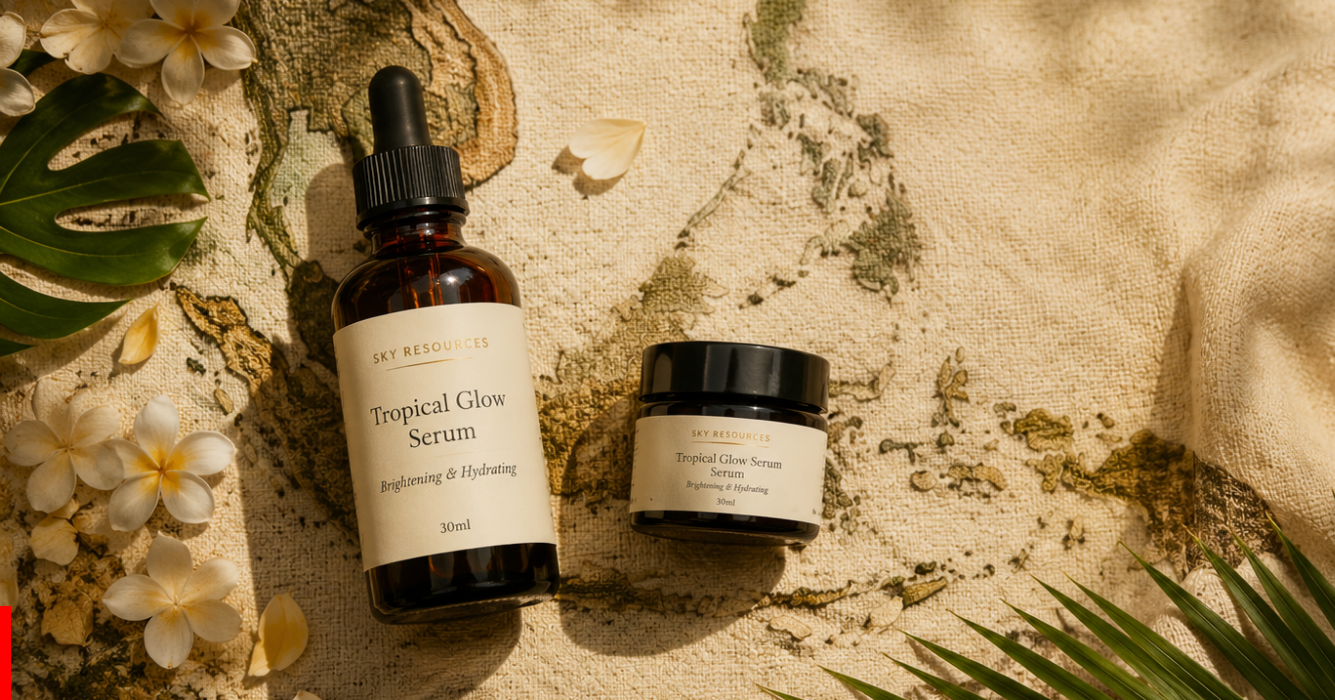
- Lightweight base textures — water-based gels, fluid emulsions, and essence formulas outperform heavy creams in humid conditions
- Non-comedogenic ingredients — particularly important given the heat-induced oil production common across the region
- Humidity-stable actives — some actives degrade or behave differently in high-humidity conditions; stability testing in tropical climate simulations is essential
- Fast-absorbing finishes — consumers in humid climates strongly prefer products that do not leave a sticky or greasy skin feel
- Broad-spectrum SPF — sun protection is a year-round necessity across ASEAN
Halal Across ASEAN — Malaysia’s JAKIM vs Indonesia’s MUI
JAKIM (Jabatan Kemajuan Islam Malaysia) is widely regarded as the world’s gold standard for Halal certification, recognised by over 70 countries. Products certified by JAKIM have a significant credibility advantage in international Muslim markets.
MUI (Majelis Ulama Indonesia) is Indonesia’s Halal certification authority. Since 2019, Halal certification for cosmetics sold in Indonesia has been compulsory — MUI certification is required for market access.
Sky Resources is JAKIM-certified. For brands needing MUI certification for the Indonesian market, we can support the documentation and testing requirements. The two certification processes share significant common ground — the ingredient-level Halal verification done for JAKIM substantially accelerates the MUI pathway.

Launching in ASEAN? Let’s make sure your formula is market-ready. → sky-resources.com/contact
If you are building a supplement brand for international distribution, the paperwork that supports export market registration is one of the most significant friction points. We have processed hundreds of these — we know how to do it efficiently.
“A manufacturing partner is not just who makes your product. They are who your brand trusts with its reputation in every market it enters.”